

About Careers in Avionics
Careers in avionics focus on the electronic systems that make modern aircraft safe, efficient, and capable of operating in complex airspace. Avionics professionals are typically referred to as technicians, and they work with communication, navigation, flight control, radar, and monitoring systems found in airplanes, helicopters, business jets, and even spacecraft. As aircraft become more technologically advanced, avionics jobs grow in importance and opportunity across commercial aviation, general aviation, military aviation, and aerospace manufacturing.
Avionics: Attention to Details
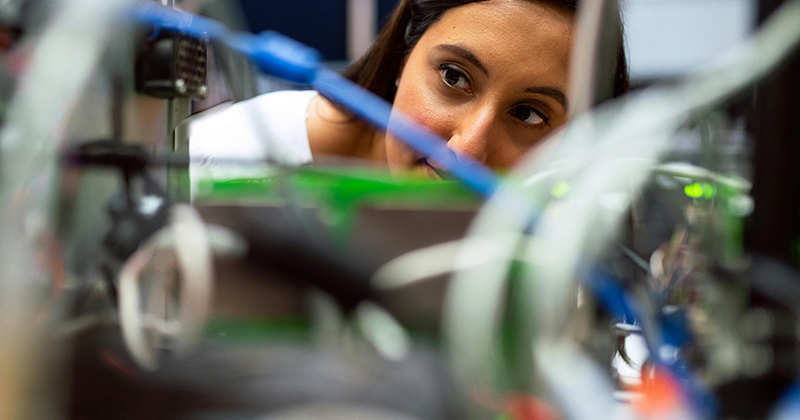
Avionics technician jobs are hands-on and detail-oriented. Professionals may install new electronic systems, inspect wiring and components, troubleshoot system failures, update software, or test equipment to ensure everything meets strict safety and regulatory standards. Work may take place in a maintenance hangar, on an airport ramp, or at a manufacturing or repair facility.
These roles often involve reading technical manuals, using diagnostic tools, collaborating with mechanics and engineers, and documenting work carefully to meet FAA requirements. Depending on the employer, work schedules can be fairly regular but may include nights, weekends, or travel to support aircraft in different locations.
Becoming a Technician
Education and training for avionics careers typically combine classroom learning with hands-on experience. Many professionals start with a certificate or associate degree in avionics, electronics, or aviation maintenance from a technical school or community college. These programs cover topics like electrical theory, digital systems, aircraft wiring, and aviation regulations.
Some individuals choose to pursue a bachelor’s degree in avionics engineering or aerospace-related fields, especially if they are interested in advanced systems, design, or leadership roles. Certifications and manufacturer-specific training can also help individuals advance and specialize within the field.
Regardless of the educational path taken, on-the-job training is critical, as technology and aircraft systems vary widely.

Keeping Aviation Safe
The work of an avionics technician directly impacts passenger safety, operational performance, and compliance with aviation regulations. Pilots rely on accurate data from avionics systems to navigate, communicate with air traffic control, monitor weather, and manage the aircraft during all phases of flight. When issues arise, skilled avionics professionals are essential to diagnosing and correcting problems before an aircraft ever leaves the ground. Their work makes flights safer, smoother, and more reliable.
At Pathways to Aviation, we help students explore careers like avionics and understand what it takes to succeed in this field. We connect students with educational resources, career guidance, and industry exposure so they can see what opportunities are available to them. We also work to remove barriers by providing scholarships, support systems, and sharing information about training pathways. Whether you’re curious about avionics specifically or simply want to learn more about aviation careers, we can help you take the next step with confidence.
How to Get There
Training and education requirements for these navigation and communication careers vary depending on the role. Avionics technicians typically attend technical schools, community colleges, or aviation maintenance programs that specialize in aircraft electronics. Many employers prefer candidates with FAA certifications or manufacturer-specific training, especially for advanced jobs in avionics.
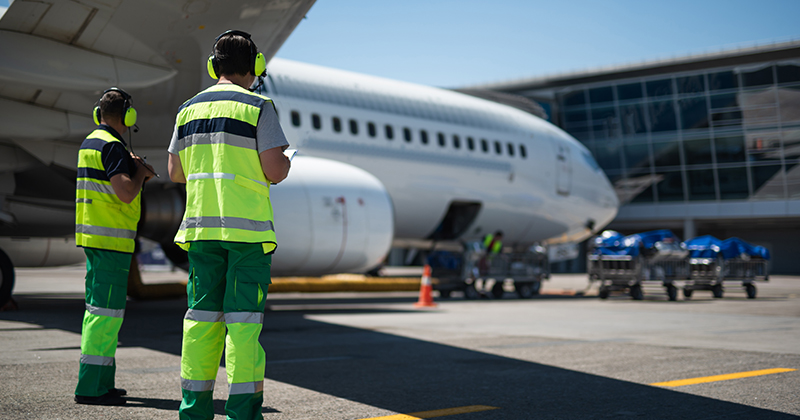
Aircraft dispatchers must complete FAA-approved dispatcher training programs and pass certification exams. These programs focus on weather analysis, flight planning, regulations, and operational decision-making. Line service technicians usually receive on-the-job training, though safety certifications and airport-specific training are often required.



How Pathways to Aviation Can Help
When people think of an aviation career, a pilot may be the first thing that comes to mind. But there are many critical roles in the aviation industry that keep it running smoothly and safely. Careers in navigation and communication offer strong career growth, competitive pay, and opportunities to work in diverse aviation environments, from small regional airports to major international hubs. Most importantly, this work directly contributes to the safety, efficiency, and success of every flight.
At Pathways to Aviation, we help connect interested students with mentors and opportunities that can help them along the many diverse aviation career paths available. For those passionate about aviation but looking beyond the cockpit, these careers provide meaningful and exciting pathways into the industry.