

About Aviation Careers in Navigation
and Communications
Navigation and communication careers play a critical role in keeping the aviation industry running safely, efficiently, and on schedule. While pilots and aircraft often take the spotlight, professionals working jobs in avionics, dispatch, and line services are essential to every successful flight. These careers offer hands-on work, strong job demand, and the satisfaction of knowing your skills directly support safe air travel.
Avionics
Avionics specialists focus on the electronic systems that allow aircraft to navigate, communicate, and operate effectively. These systems include radios, GPS navigation, flight management systems, weather radar, and autopilot components. As aircraft technology becomes more advanced, the need for highly skilled technicians continues to grow, making jobs in avionics both stable and in demand. Technicians enjoy the challenge of troubleshooting complex systems and working with cutting-edge technology. For individuals who enjoy problem-solving, electronics, and precision work, this career can be especially rewarding.

Dispatch
Another vital navigation and communication role is aircraft dispatch. Dispatchers work behind the scenes to plan flights, monitor weather conditions, calculate fuel requirements, and ensure regulatory compliance. They coordinate closely with pilots and air traffic control to make real-time decisions that affect flight safety and efficiency. This role is exciting because no two days are the same — weather changes, operational challenges, and time-sensitive decisions keep the job fast-paced and engaging. Dispatchers carry significant responsibility, and many find fulfillment in being a key decision-maker in flight operations without being in the cockpit.

Line Services
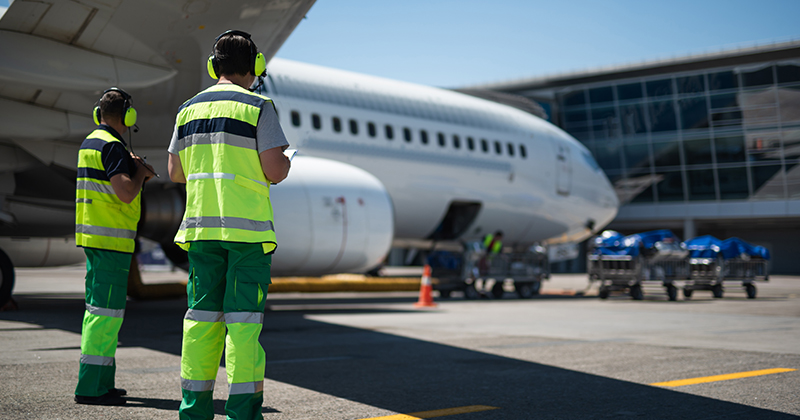
Line service technicians also play an important role in aviation communication and navigation support. These professionals are responsible for fueling aircraft, towing planes, performing safety checks, and assisting pilots on the ground. Line services require strong communication skills, attention to detail, and teamwork. For many, this is an ideal entry point into the aviation industry, offering hands-on experience and exposure to daily airport operations. The fast-moving environment and direct interaction with aircraft make line service positions exciting and dynamic.
How to Get There
Training and education requirements for these navigation and communication careers vary depending on the role. Avionics technicians typically attend technical schools, community colleges, or aviation maintenance programs that specialize in aircraft electronics. Many employers prefer candidates with FAA certifications or manufacturer-specific training, especially for advanced jobs in avionics.
Aircraft dispatchers must complete FAA-approved dispatcher training programs and pass certification exams. These programs focus on weather analysis, flight planning, regulations, and operational decision-making. Line service technicians usually receive on-the-job training, though safety certifications and airport-specific training are often required.



How Pathways to Aviation Can Help
When people think of an aviation career, a pilot may be the first thing that comes to mind. But there are many critical roles in the aviation industry that keep it running smoothly and safely. Careers in navigation and communication offer strong career growth, competitive pay, and opportunities to work in diverse aviation environments, from small regional airports to major international hubs. Most importantly, this work directly contributes to the safety, efficiency, and success of every flight.
At Pathways to Aviation, we help connect interested students with mentors and opportunities that can help them along the many diverse aviation career paths available. For those passionate about aviation but looking beyond the cockpit, these careers provide meaningful and exciting pathways into the industry.