

Becoming a Pilot
Becoming a pilot is an exciting and meaningful career path for people who love travel, technology, and lifelong learning. A career as a pilot offers the opportunity to see the world from a unique perspective, work with advanced aircraft, and play a critical role in keeping people and goods moving safely every day.
Becoming a Pilot
Pilots operate in a fast-paced, highly skilled environment where professionalism, responsibility, and teamwork are essential, which makes for a career that is both challenging and deeply rewarding. No two days are exactly the same, and each flight brings new destinations, weather conditions, and experiences.
Students who wish to become pilots must develop strong problem-solving skills, situational awareness, and leadership abilities while learning to manage complex aircraft systems and make real-time decisions. For students enjoy hands-on work, continuous learning, and the sense of accomplishment that comes from mastering a variety of skills, a career as a pilot can be both personally and professionally fulfilling.
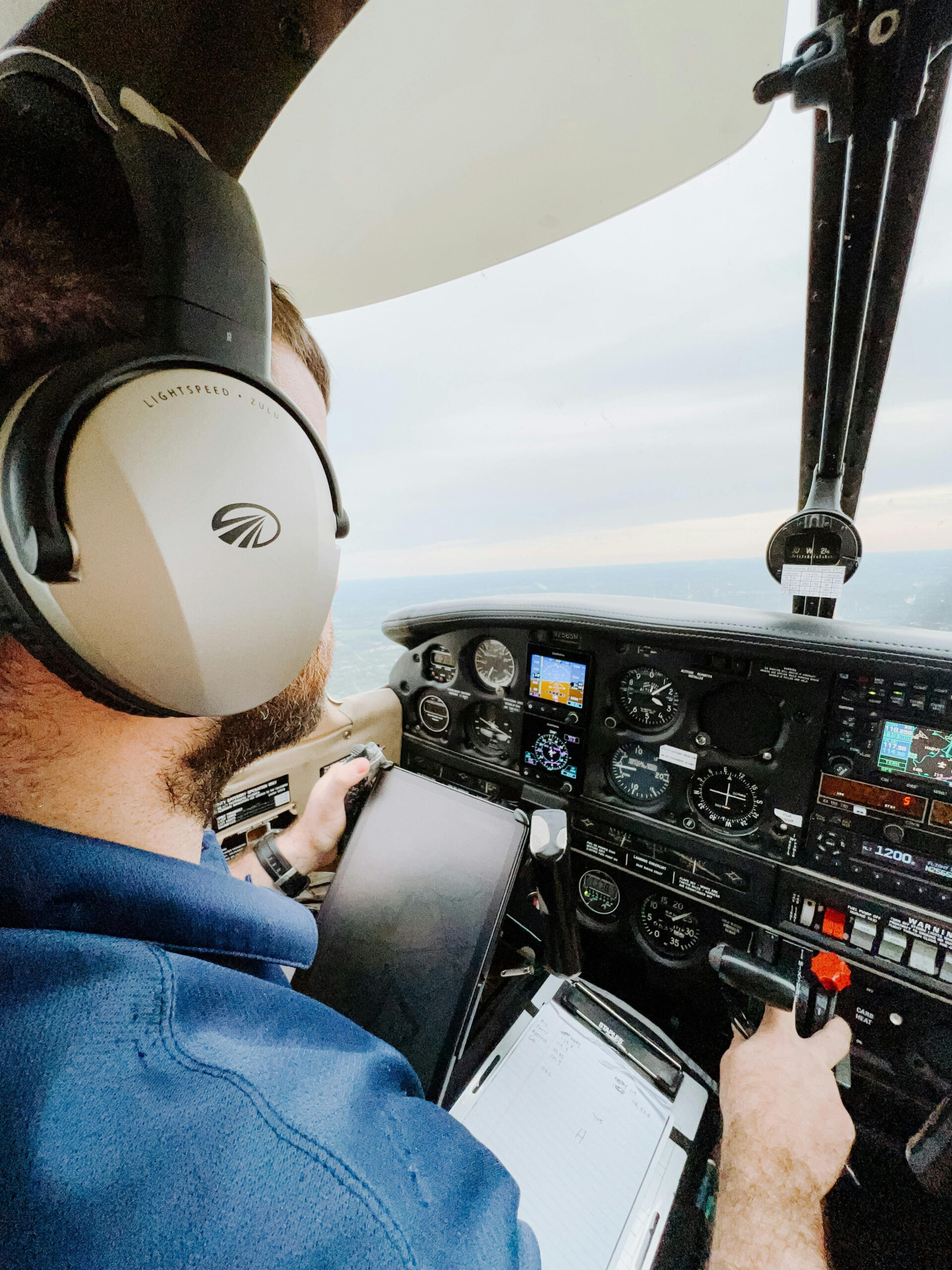
Diverse Career Options
Most pilots begin their career journey by earning a private pilot license, which introduces the fundamentals of flight, navigation, and safety. From there, pilots advance to an instrument rating, which allows them to fly in a wider range of weather conditions, followed by a commercial pilot license. Many pilots also earn multi-engine ratings and eventually pursue an Airline Transport Pilot (ATP) certificate, which is required for airline pilot positions.
Beyond airlines, there are many career opportunities available to pilots. Pilots may fly for charter companies, corporate flight departments, medical transport services, firefighting operations, agricultural aviation, or government agencies. These varied roles mean you can tailor your career as a pilot to your interests, whether that means long-haul international flights or specialized missions that serve local communities.
Support for Multiple Paths
There are many ways to become a pilot. Some students may choose to pursue a degree in aviation at a university, while others may train through a flight school or academy, and still others may join the military to receive their pilot training.
Pilot training includes both classroom instruction and hands-on flight time, covering aerodynamics, weather, aircraft systems, regulations, and risk management. Pursuing this training, as well as additional certifications and education, can be costly. At Pathways to Aviation, our mission is to help students learn about careers in aviation and remove barriers that might stand in their way. One of the ways we do so is by offering a range of scholarships to help offset these costs, so more students can turn their dreams of flight into a reality.
In addition to offering scholarships, we help connect students to mentors and industry partners who help provide hands-on experiences and additional support to students who wish to become pilots. If you’re interested in starting your pilot training, apply for a scholarship. We look forward to seeing you soar!