

Becoming an Aviation Engineer
Engineering in aviation offers an exciting mix of innovation, problem-solving, and real-world impact. From designing advanced aircraft systems to ensuring planes are safe and reliable every day, there are many different paths to becoming an engineer in this dynamic field. At Pathways to Aviation, we love helping students discover just how wide the world of aviation engineering truly is, and how achievable these careers can be with the right guidance and support.
The Many Kinds of Engineers in Aviation
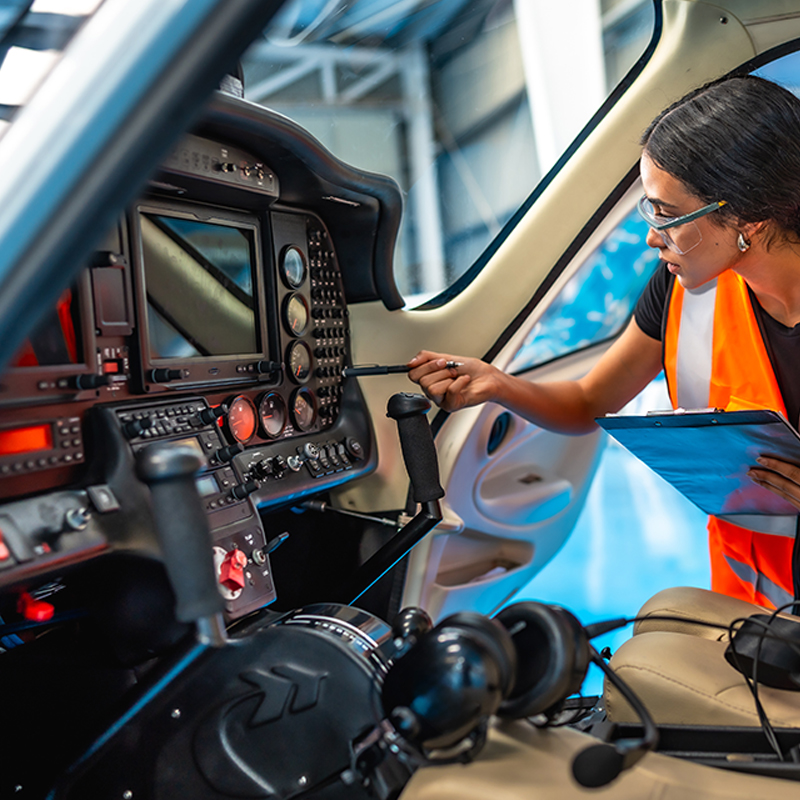
One of the most visible and essential engineering paths in aviation is aircraft maintenance engineering. These professionals focus on the inspection, repair, and ongoing airworthiness of aircraft. An aircraft maintenance engineer plays a critical role in safety, working hands-on with engines, avionics, structures, and mechanical systems to ensure every aircraft meets strict regulatory standards. This path is ideal for students who enjoy hands-on work, troubleshooting, and seeing the immediate results of their efforts.
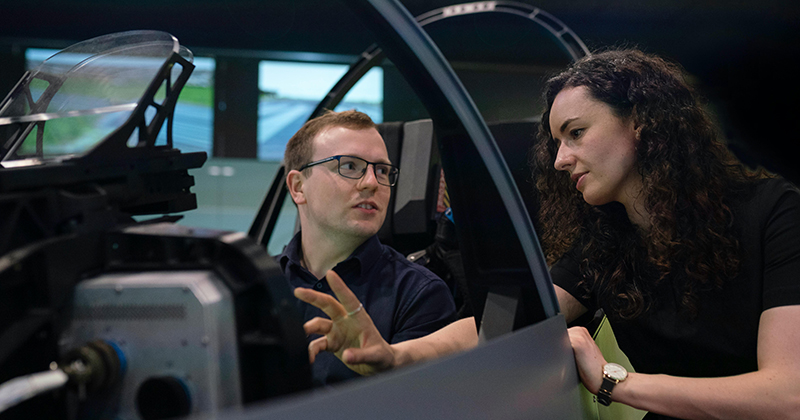
Another well-known path is aeronautical or aerospace engineering. Aeronautical engineers typically focus on aircraft that operate within Earth’s atmosphere, while aerospace engineers may also work on spacecraft and satellites. These engineers are involved in designing airframes, propulsion systems, flight controls, and materials that make aircraft lighter, stronger, and more efficient. Their work often combines advanced mathematics, physics, and computer modeling, and it shapes the future of flight.
Aviation also relies on many specialized engineering fields that students may not be aware of. Avionics engineers work on navigation, communication, radar, and flight control systems. Systems engineers ensure that all aircraft components work together seamlessly. Manufacturing and materials engineers focus on how aircraft are built and how new materials, such as composites, can improve performance and safety. There are even engineering roles related to sustainability, such as developing quieter aircraft and reducing emissions
Becoming an Engineer
And How Pathways to Aviation Can Help
The training and education required to become an engineer in aviation vary by role, but all paths emphasize strong foundations in math, science, and critical thinking. Many engineering careers require a bachelor’s degree in fields such as aeronautical, aerospace, mechanical, electrical, or systems engineering. Some roles, especially in research or advanced design, may require graduate degrees. For aircraft maintenance engineering, students often attend FAA-approved maintenance schools, earn certifications, and gain hands-on experience through apprenticeships or on-the-job training. An aircraft maintenance engineer must meet rigorous licensing requirements, but the payoff is a highly respected and in-demand career.
At Pathways to Aviation, our goal is to make these paths clearer and more accessible. We help students learn about the many engineering careers within aviation, connect them with mentors and apprenticeships, and help students understand the education and training options available to them. We also work to remove barriers to the aviation industry through access to hands-on programs, scholarships, introducing students to industry professionals, and more.
We believe that aviation engineering should be open to anyone with curiosity, determination, and a passion for flight. Whether a student dreams of designing the next generation of aircraft or keeping today’s planes flying safely, there is a place for them in this exciting field.
Explore More
Pathways to Aviation connects aspiring professionals with resources, events, and mentorship to explore the careers of aviation mechanics, engineers, and designers. By showcasing the variety of roles available in aviation, we aim to inspire the next generation of skilled professionals who will drive the industry forward. Whether working on the intricate mechanics of an aircraft, innovating as an aviation engineer, or creating thoughtful and effective designs, these careers offer opportunities to make a real impact in aviation.
From hands-on technical work to cutting-edge engineering and innovative design, aviation careers are as diverse as the skies themselves. For those ready to turn a passion for flight into a lifelong career, the paths are wide open — and Pathways to Aviation is here to guide the way.