

Becoming an Expert in Aircraft Parts
Before pilots, flight attendants, or anyone else can take to the skies, aircraft have to be built. And then they have to be maintained. This requires the work of skilled professionals who play critical roles behind-the-scenes to keep the aviation industry running safely, efficiently, and on schedule. While pilots, mechanics, and engineers are often the most visible professionals, none of them could do their jobs without the dedicated people who manage aircraft parts, tools, and materials. From ensuring the right component is available at the right time to tracking compliance with strict regulations, these careers are essential to aviation operations.
Accuracy and Organization
One major area under this umbrella is aviation logistics and supply chain management. Professionals in these roles coordinate the ordering, storage, and distribution of aircraft parts for airlines, maintenance facilities, manufacturers, and airports. They work closely with maintenance teams to anticipate needs, manage inventory levels, and prevent costly delays caused by missing or incorrect parts. Accuracy is critical, as even a small component must meet exact specifications and certification requirements.
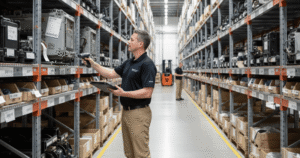
Another key role is aviation parts specialist or inventory coordinator. These professionals are responsible for receiving, inspecting, cataloging, and tracking aircraft parts throughout their lifecycle. They ensure parts are properly documented, stored under the correct conditions, and issued only when approved. Because aviation is highly regulated, inventory specialists must follow Federal Aviation Administration (FAA) guidelines and maintain detailed records to ensure safety and compliance.
Some professionals work as materials managers or warehouse supervisors in aviation settings. These roles involve overseeing teams, managing large inventories, and implementing systems that improve efficiency and traceability. Others may specialize in procurement, negotiating with vendors and manufacturers to source certified aircraft parts while balancing cost, quality, and availability.
Options for Every Level of Education
Education and training requirements for these careers vary depending on the role. Many entry-level positions require a high school diploma or GED, along with on-the-job training. However, candidates with coursework or degrees in logistics, supply chain management, aviation management, or business often have more opportunities for advancement. Some roles benefit from specialized aviation training, familiarity with FAA regulations, or certifications related to inventory management and logistics software. Strong organizational skills, attention to detail, and the ability to work with both technical and administrative teams are essential.
At Pathways to Aviation, we believe these careers are an excellent option for students who enjoy organization, problem-solving, and working in a fast-paced, high-responsibility environment. Not every aviation career requires being in the cockpit or on the hangar floor, and roles dealing with inventory and parts offer stable, rewarding paths with real impact. We help students explore careers through hands-on experiences, career awareness programs, and connections with industry partners. By removing financial, educational, and access-related barriers, we make it possible for more students to see themselves in aviation and take meaningful steps toward these careers.
Whether managing warehouse inventory, coordinating supply chains, or ensuring compliance behind the scenes, these professionals keep aviation moving. At Pathways to Aviation, we’re here to help students build a future in an industry that depends on precision, teamwork, and dedication.