
Becoming an Aircraft Dispatcher
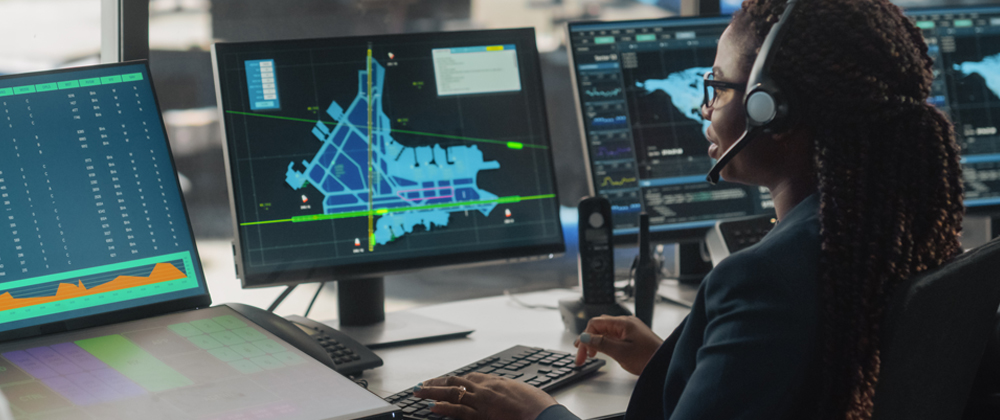
An aircraft dispatcher plays a critical role in keeping flights safe, efficient, and on schedule. Often described as the ground-based partner to the flight crew, this career combines operational decision-making, weather analysis, and regulatory knowledge. A dispatcher works closely with pilots, air traffic control, and airline operations teams to plan and monitor flights from departure to arrival, making real-time decisions that directly affect safety and efficiency.
A Day in the Life
On a typical day, a dispatcher is responsible for flight planning and release. This includes selecting safe and fuel-efficient routes, calculating fuel requirements, reviewing aircraft performance, and analyzing weather conditions along the route and at alternate airports. Dispatchers must consider many variables, such as airspace restrictions, aircraft weight limits, runway conditions, and potential delays.
Once a flight is released, the dispatcher continues to monitor it, providing updates to the flight crew if weather deteriorates, mechanical issues arise, or rerouting becomes necessary. This role requires constant attention, quick thinking, and clear communication.

Dispatch: Becoming a Dispatcher
Becoming an aircraft dispatcher typically requires a combination of formal education and specialized certification. In the United States, most dispatchers earn an FAA Aircraft Dispatcher Certificate. This usually involves completing an approved dispatcher training course, which can take several months, followed by written, oral, and practical exams. These programs cover topics such as meteorology, navigation, federal aviation regulations, aircraft systems, and emergency procedures.
While a college degree is not always required, many employers prefer candidates with coursework or degrees in aviation, aerospace, or related fields. Strong analytical skills, comfort with technology, and the ability to remain calm under pressure are essential for success.
A Crucial Role in Aviation
An aircraft dispatcher shares joint responsibility with the pilot in command for the safety and legality of each flight. This shared responsibility means dispatchers are deeply involved in risk assessment and decision-making, especially during irregular operations like severe weather or system disruptions. By anticipating challenges and providing accurate, timely information, dispatchers help airlines operate safely while minimizing delays and costs. Their work supports not only flight crews but also passengers who rely on dependable and secure air travel.
At Pathways to Aviation, we believe careers like a dispatcher should be visible and accessible to students from all backgrounds. We help students explore aviation careers, understand training requirements, and navigate the steps needed to enter the industry. Through education, mentorship, and barrier-reducing support, we connect students with resources and opportunities that make aviation careers achievable. Whether someone is just discovering aviation or actively preparing for certification, we are committed to helping the next generation find their place in this dynamic and essential field.