
About Flight Staff Careers
Flight staff careers are among the most visible and dynamic roles in the aviation industry, offering individuals the chance to travel the world, meet new people, and be part of a team that ensures passengers have a safe and enjoyable experience in the skies. These careers are diverse, with pilots and flight attendants forming the core of flight staff, each bringing unique responsibilities, challenges, and rewards.
Becoming a Pilot
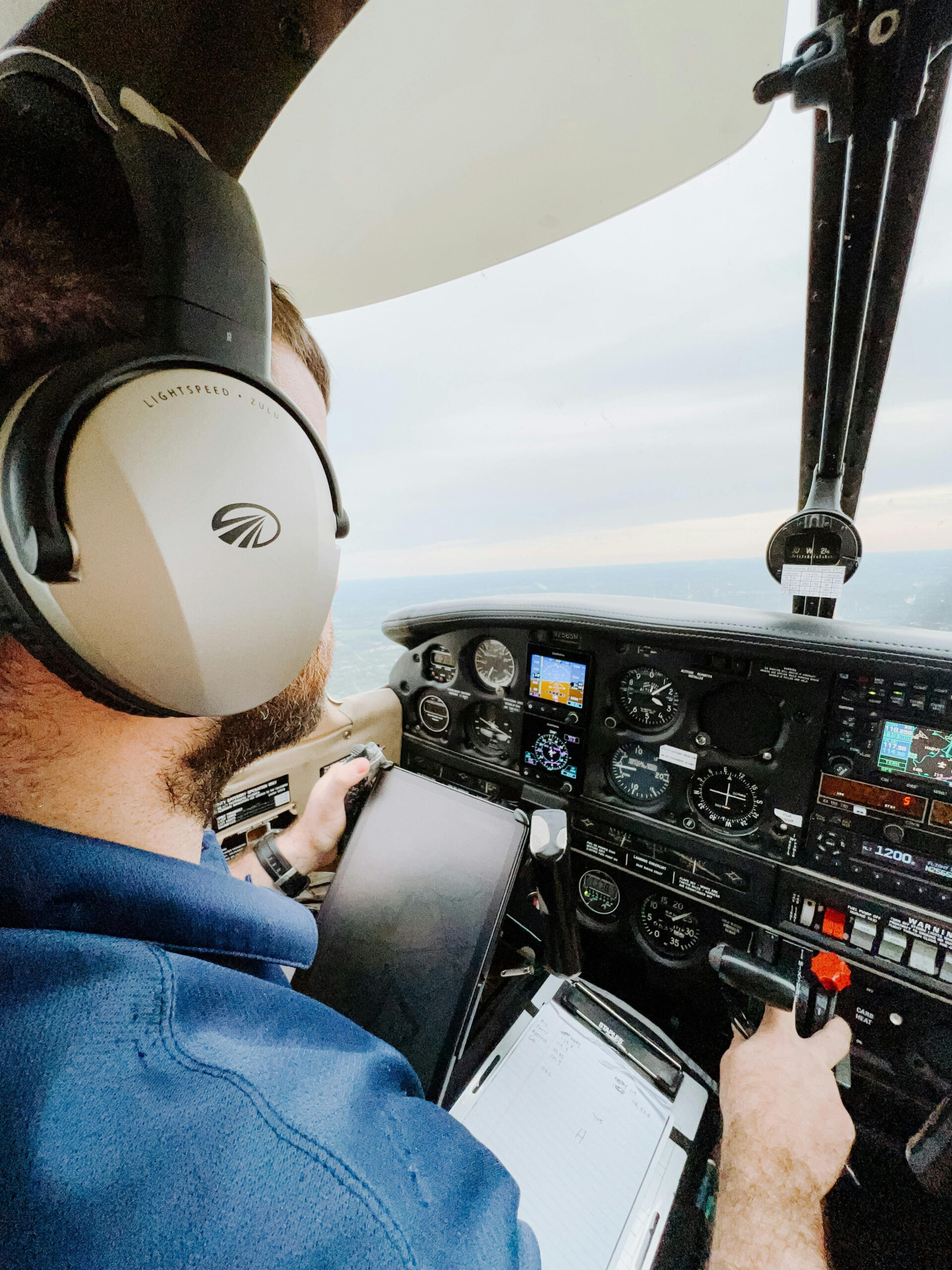
Pilot careers are often seen as the pinnacle of aviation achievement. Pilots are responsible for operating aircraft, navigating through changing weather conditions, and making split-second decisions to ensure the safety of everyone on board. Beyond the technical skills, pilots must possess strong leadership qualities, exceptional problem-solving abilities, and the capacity to remain calm under pressure. The career is exciting because no two days are ever the same. Pilots may fly different routes, encounter new challenges, and experience the thrill of taking off and landing in diverse locations around the world. Many pilots also enjoy the opportunity to advance into specialized roles, such as airline captains, cargo pilots, or even flight instructors.
Training for pilot careers typically starts with obtaining a private pilot license, followed by a commercial pilot license and an instrument rating. Aspiring pilots often attend flight schools or university aviation programs, where they gain both classroom knowledge and hands-on flight experience. Continuous training is essential, as pilots must stay current with evolving aviation technology, regulations, and safety protocols. Despite the rigorous preparation required, many find the personal and professional rewards of piloting an aircraft to be unmatched.
Logging flight hours and receiving pilot training can be costly, but Pathways to Aviation is here to help by providing scholarships to students who wish to pursue becoming a pilot.
Becoming a Flight Attendant
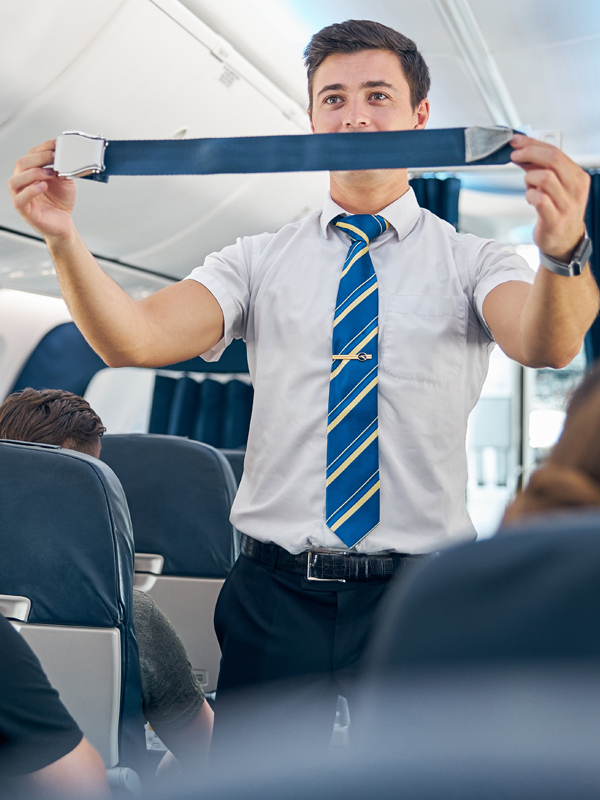
Flight attendant careers offer a different kind of excitement, centered around customer service, safety, and creating a positive experience for passengers. Flight attendants are responsible for ensuring passengers’ comfort, conducting safety demonstrations, and responding to emergencies when necessary. Their role requires strong communication skills, cultural awareness, and the ability to manage challenging situations calmly and professionally. One of the most rewarding aspects of flight attendant careers is the opportunity to meet people from all over the world and explore new destinations, often at a fraction of the cost available to the general public. Additionally, flight attendants frequently develop close bonds with their colleagues, creating a strong sense of camaraderie within the crew.
The training for flight attendant careers usually involves completing a Federal Aviation Administration (FAA)-approved training program or airline-specific training course. Trainees learn about safety procedures, emergency protocols, first aid, and customer service standards. Airlines often provide ongoing training to ensure flight attendants are prepared to handle both routine and unexpected situations effectively. While the career demands flexibility, long hours, and adaptability, it also provides a unique lifestyle filled with travel opportunities, professional growth, and the satisfaction of helping people feel safe and cared for while flying.
Both pilot and flight attendant careers are integral to the success of the aviation industry. These roles combine responsibility, excitement, and the chance to make a real difference in people’s lives. If you’re interested in learning more about these dynamic and rewarding careers, Pathways to Aviation is here to help. Check out our scholarship applications to get started on your career journey today.